What Is Teeth Cleaning and Why Is It Important?
Teeth cleaning is the process of removing plaque and tartar from your teeth. It helps keep your mouth healthy and your smile bright. Regular teeth cleaning is important because it prevents tooth decay, gum disease, and bad breath. According to the American Dental Association (ADA), clean teeth also lower your risk of other health problems. For example, gum disease has links to heart disease and diabetes. So, keeping your teeth clean is good for your whole body.
Signs You May Need Teeth Cleaning
Sometimes, your mouth gives you signs that you need a dental cleaning. If you notice any of these, it may be time to see your dentist:
Even if you do not have these signs, regular cleanings are still important.
What Causes Plaque and Tartar Buildup?
Plaque is a sticky film of bacteria that forms on your teeth. When you eat or drink, especially sugary foods, bacteria feed on the sugars. As a result, they produce acids that can harm your teeth. If you do not remove plaque, it hardens into tartar. Tartar is much harder to remove and can lead to gum disease. Poor brushing, skipping flossing, and not visiting the dentist often can make buildup worse.
Professional Teeth Cleaning: Step-by-Step Procedure
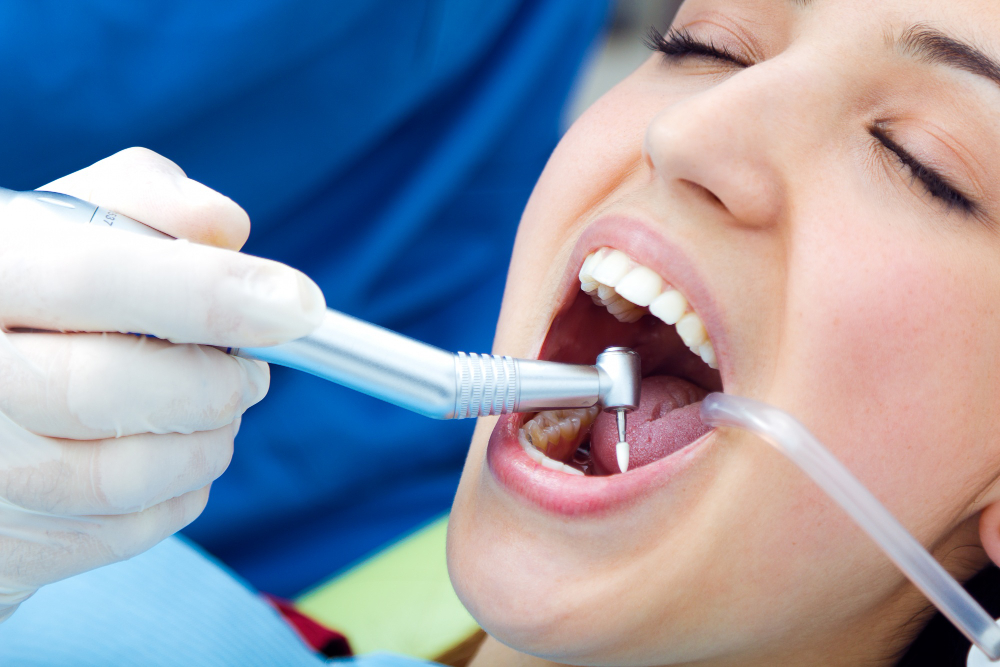
Professional dental cleaning is done by a dentist or dental hygienist. Here is what usually happens during a visit:
This process is safe and usually takes less than an hour.
At-Home Teeth Cleaning Tips and Best Practices
While professional cleanings are key, daily care at home is just as important. Here are some simple tips for how to clean teeth and keep them healthy:
With these habits, you can help prevent plaque buildup and keep your smile bright.
Benefits of Regular Teeth Cleaning
Regular teeth cleaning offers many benefits. For example, it helps prevent cavities and gum disease. It also keeps your breath fresh and your teeth looking white. In addition, clean teeth can boost your confidence. According to the CDC, regular dental visits can even help spot early signs of other health issues. So, keeping up with cleanings is a smart choice for your health.
Prevention Strategies for Plaque and Gum Disease
Preventing plaque and gum disease is easier than treating them. Here are some strategies to help you stay ahead:
By following these steps, you can keep your teeth and gums healthy for life.
Common Myths and Facts About Teeth Cleaning
There are many myths about teeth cleaning. Let’s clear up some facts:
Knowing the facts helps you make better choices for your oral health.
When Should You Consult a Dentist?
It is important to see your dentist at least twice a year for professional dental cleaning. However, you should also consult a dentist if you notice:
If you live in a city, you can search online for “dentist near me” or ask friends for recommendations. Early visits help prevent bigger problems later.
Conclusion
In summary, teeth cleaning is a simple but powerful way to protect your smile and health. With regular care at home and visits to your dentist, you can prevent many dental problems. For the best results, consult a dentist at SRAVANTHI DENTAL HOSPITAL for personalized teeth cleaning advice and regular check-ups.